
<img height="1" width="1" style="display:none;" alt="" src="https://px.ads.linkedin.com/collect/?pid=7607682&amp;fmt=gif">

Blog.

So You Want to be A Freight Broker

September 03, 2026 | Written by Darrell Porter | Freight Broker Freight Agent

So You Want to be A Freight Broker

If you landed here after selecting “No” when we asked about freight brokerage experience, there’s a reason we sent you here.

LDi’s independent freight agent opportunity is a 1099 business opportunity for experienced freight brokers with an existing book of business. It isn’t an entry-level position. Without experience or established customers, starting as a 1099 agent can be a tough way to enter the industry. You’d be learning freight brokerage and trying to build a customer base at the same time, without a traditional salary to fall back on.

That doesn’t mean freight brokerage isn’t for you. There’s just a better way to get started.

Start at a W-2 Freight Brokerage

If you’re new to freight brokerage, look for a W-2 brokerage that hires and trains inexperienced brokers. You’ll get the opportunity to learn the business while earning a paycheck. You’ll learn how to prospect, quote freight, work with carriers, use a TMS, manage customers, protect margins, and solve the everyday problems that come with moving freight.

You’ll also find out whether freight brokerage is something you enjoy and want to build a career around.

Choose That First Brokerage Carefully

If your long-term goal is becoming an independent freight agent, pay attention to the employment agreement before accepting a position. Look closely at non-compete and non-solicitation provisions, customer restrictions, and anything else that could affect your ability to work with the relationships you develop if you eventually leave.

These agreements and their enforceability can vary, so understand what you’re signing and seek legal advice when appropriate. If independence is your goal, look for an opportunity where you can learn the industry and build customer relationships without unnecessarily restricting your future options.

Build a Real Book of Business

Learning how to broker freight is only part of becoming ready to work independently. You also need customers. A book of business isn’t a list of prospects. It’s customers who know you, trust you, and regularly give you freight.

Getting the first load is just the beginning. Keeping that customer means communicating well, quoting competitively, solving problems, and consistently giving them a reason to call you again. Over time, individual loads become regular lanes. Regular lanes become accounts. Those accounts become your book of business.

Don’t rush it. Your goal isn’t to hit an arbitrary number of months in the industry. You want to reach the point where you can confidently manage freight and have enough established business to support yourself as an independent agent.

Learn the Whole Business

Use your time as a W-2 broker to learn more than sales. Understand how carriers are sourced and vetted, how rates and margins work, and what happens when a shipment doesn’t go according to plan. Learn about tracking, detention, accessorials, claims, billing, and credit.

The more you understand about the business, the better prepared you’ll be to eventually run your own.

When You’re Ready to Make the Move

Once you know how to broker freight and have developed a portable book of business, becoming a 1099 freight agent starts to make much more sense. You bring the experience, customers, and business you’ve built. An agent-based brokerage like LDi provides the brokerage infrastructure and back-office support you need to operate and grow. That’s why LDi requires freight brokerage experience and an existing book of business from our agent applicants.

We want you to enter the industry the right way.

Get paid to learn the business. Build your experience and customer relationships. Build a book of business you can call your own.

Then, when you’re ready to take the next step, come back and talk to us.

We’ll be here.

Latest contents

When LTL Measurements Matter

September 2, 2026

Shippers, LTL

LTL Freight Weight, Dimensions, Density, and Classification Accuracy Accurate weight and dimensions are critical when quoting and rating LTL freight. .

LTL: Four Opportunities for Shippers

August 5, 2026

Shippers, LTL

Less Than Truckload gives shippers an efficient way to control transportation costs while maintaining the flexibility to serve a wide range of customers.

The Habits That Keep Freight Moving

Anyone who has worked in transportation long enough develops routines. Many of those routines exist for a good reason because they help shipments move.

What Produce Season Means for Freight

May 28, 2026

Carriers, Shippers

Every year, produce season reshapes freight markets across the country. Reefer demand increases, capacity tightens in key regions, and rates begin.

Shippers: Which Carrier Type Fits Your Needs Best?

April 29, 2026

Shippers

The freight market has tightened over the past few years. Margins are thinner, service expectations are higher, and brokers are placing more value on.

Why Carriers Prioritize Certain Brokers Over Others

March 25, 2026

Freight Broker

Coverage gaps rarely come down to rate alone. Carriers decide quickly which brokers they want to work with again. That decision is shaped by how the load.

How Fuel Surcharges Impact LTL Shipping Cost.

March 18, 2026

Fuel Cost

Fuel Changes Are Driving LTL Cost Increases Fuel is never a fixed number in trucking, and it is one of the few costs that can move after a rate is already.
High Fuel Costs. Have You Considered Intermodal?

March 12, 2026

Fuel Cost

Fuel Prices and Transportation Costs Recent spikes in global oil prices have pushed diesel costs higher, putting renewed pressure on traditional.

Telematics in Trucking: The Driver Perspective

March 10, 2026

Technology

Introduction Telematics in trucking is the new standard as carriers look to improve efficiency, safety, and regulatory compliance. These systems typically.
Women Powering LTL Performance and Growth

March 4, 2026

LTL

The less-than-truckload sector is a complex, precision-driven segment of freight transportation. It demands efficiency in scheduling, consistency in.
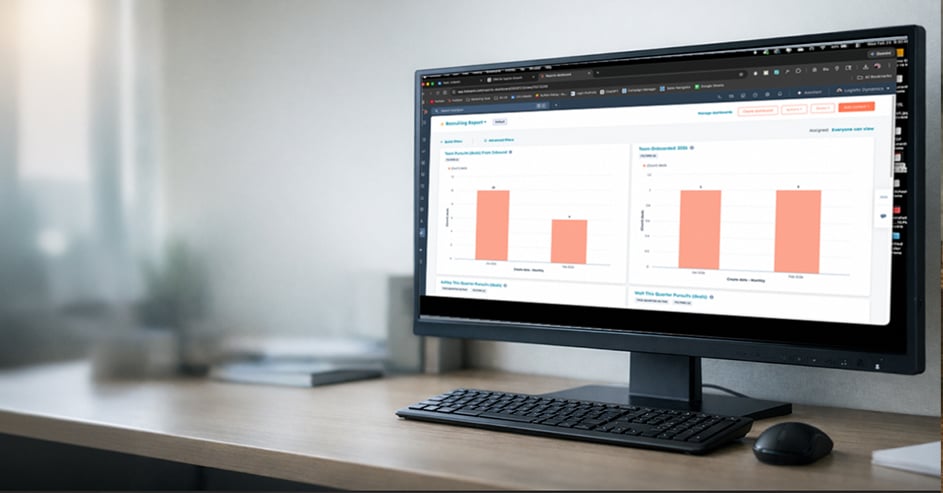
5 Reasons Agents Need A CRM to Grow

February 25, 2026

Technology

If you’re serious about expanding your customer base through cold calls, emails, and consistent outreach, you can’t rely on memory and sticky notes. The.
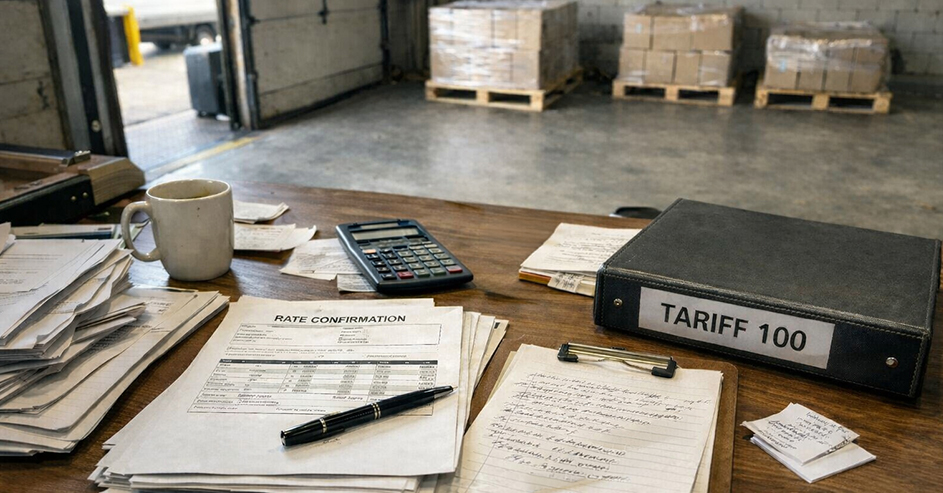
Understanding and Interpreting Tariff 100

February 17, 2026

LTL

Tariff 100 governs how most LTL carriers apply rules, charges, and conditions to shipments. Brokers and agents interact with it every day, often without.

LTL: Long Freight, Measurements, & Margins

February 4, 2026

LTL

Operational Problem Dimensioning errors are a consistent source of LTL cost overruns, rebills, disputes, and margin erosion. As carriers expand automated.

Shipper's Hidden Costs: Accessorials in LTL

January 28, 2026

LTL

Accessorial charges in LTL are often treated as an afterthought until they show up on an invoice. When that happens, the opportunity to control them is.
Why Weigh Your LTL Freight Before Shipping

January 21, 2026

LTL

Few issues create more downstream friction than a reweigh after pickup. What often begins as a small weight discrepancy can quickly turn into higher.

Importance of A Well-Managed Claims Process
Importance of A Well-Managed Claims Process

January 14, 2026

claims

The Strategic Importance of A Well-Managed Claims Process At Logistics Dynamics, we understand that freight damage or loss impacts far more than inventory.
LTL Shipping: Costs, Timing, Tradeoffs

January 7, 2026

LTL

Less-than-truckload (LTL) shipping is a practical solution for businesses that move freight without needing an entire trailer. Instead of paying for.

Operation Santa Claus: A Logistics Story

December 23, 2025

Logistics Industry

Every December, the industry takes part in the most unforgiving logistics operation of the year. There’s no flexibility, no partial successes, and no.

The Advantages of Less-than-Truckload Shipping

December 10, 2025

LTL

For many businesses, not every shipment fills a trailer, and not every order justifies the cost of moving a full truckload. That gap is exactly where Less.