Few issues create more downstream friction than a reweigh after pickup. What often begins as a small weight discrepancy can quickly turn into higher costs, delayed deliveries, invoice disputes, and uncomfortable conversations with customers. Weighing freight before it leaves the dock is one of the simplest ways to prevent those problems before they start.
What Is a Reweigh and Why Does It Happen?
A reweigh occurs when a carrier determines that the declared shipment weight does not match the actual weight measured at their terminal. Carriers routinely verify weights using certified scales as part of their audit process. If the actual weight is higher than what was listed on the Bill of Lading (BOL), charges are adjusted accordingly.
Reweighs are standard industry practice, but many are avoidable. Inaccurate estimates, outdated weight data, or skipping the weighing process altogether are common causes. In many cases, a reweigh also triggers a reclassification, compounding the financial impact.
Direct Cost Impacts of Reweighs
The most immediate consequence of a reweigh is increased freight cost. Because LTL pricing is driven by weight and freight class, even small discrepancies can result in:
Once a carrier’s certified scale confirms the actual weight, these adjustments are typically non-negotiable. Over time, repeated reweighs can inflate transportation spend and make cost forecasting unreliable.
Time Delays and Service Disruptions
Reweighs can also disrupt transit. When freight is pulled for weighing or inspection at a terminal, it may miss its planned outbound movement. This can lead to:
-
Delayed delivery to the consignee
-
Missed appointment windows
-
Increased dwell time at terminals
For time-sensitive shipments, these delays ripple into production schedules, inventory planning, and customer commitments. From the customer’s perspective, the cause may be invisible, but the service failure is not.
Invoice Issues and Billing Complications
Reweighs often surface after delivery as unexpected invoice adjustments. This creates challenges such as:
-
Mismatches between quoted and billed amounts
-
Carrier disputes
-
Delays in invoice approval and payment
-
Additional reconciliation work for accounting teams
When billing does not align with expectations, invoices require manual review and follow-up. That slows payment cycles and increases administrative effort across logistics, finance, and procurement teams.
Post-Pickup Work and Administrative Burden
Every reweigh creates post-pickup work that could have been avoided, including:
-
Reviewing scale tickets and inspection documentation
-
Researching carrier audit notes
-
Communicating with internal teams or customers
-
Submitting disputes or adjustment requests
-
Updating shipment records and reporting
This work pulls time away from higher-value activities such as optimization, carrier management, and proactive customer service.
Protecting Your Customer Relationships
From a customer standpoint, reweigh-related issues often feel like surprises. Unexpected charges, revised invoices, or delivery delays typically land with the shipper, regardless of whether the carrier was technically correct.
Consistently weighing freight before shipment helps create:
That consistency builds trust and reduces friction in long-term customer relationships.
Best Practices to Avoid Reweighs
To reduce risk, shippers should implement a few operational best practices:
-
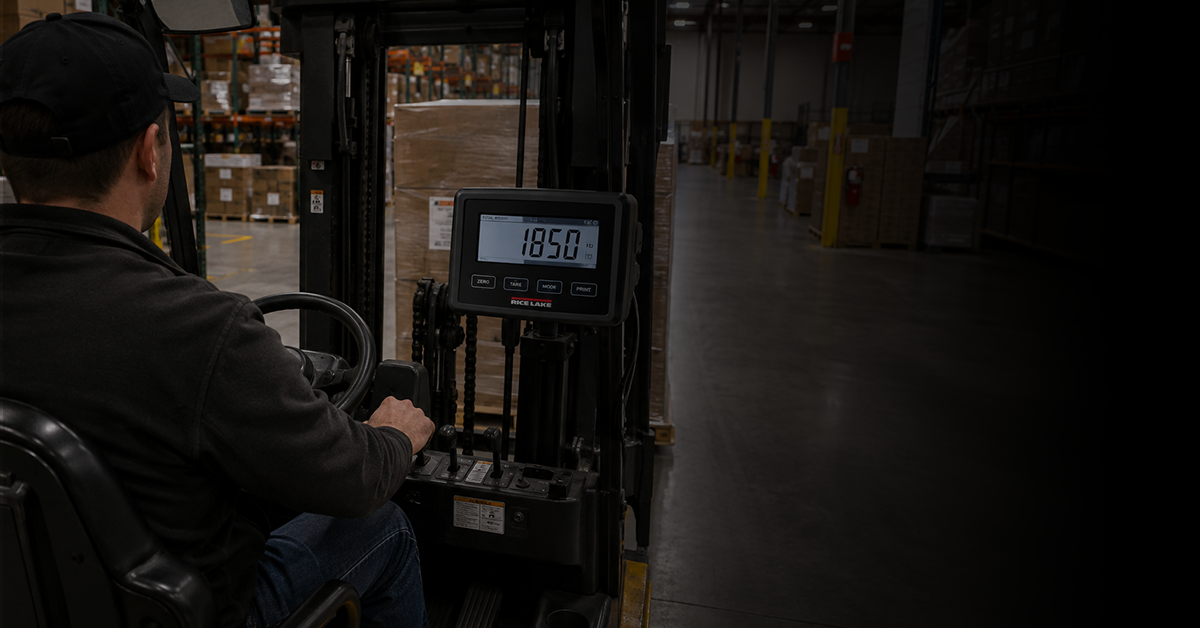
Weigh freight on a certified scale at the dock whenever possible
-
Account for pallet weight, packaging, and dunnage
-
Verify weights before tendering freight to the carrier
-
Ensure shipping documentation matches actual conditions
-
Train dock staff on proper weighing and BOL accuracy
-
Periodically audit shipments to catch patterns or repeat issues
Conclusion
Weighing LTL freight before shipping is not just a procedural step. It is a critical control point at the dock that directly affects cost, service reliability, and internal efficiency. Accurate weights help prevent reweigh charges, reduce delivery delays, eliminate invoice surprises, and minimize post-pickup administrative work. In an environment where margins are tight and customer expectations are high, accuracy before pickup makes a measurable difference.