Why Shippers Change Brokers
October 21, 2026
salesMost shippers aren't actively looking for a new freight broker. They have established relationships, familiar processes, and providers they trust. So what.
November 18, 2026 | Written by Patrick Brenda | LTL
As winter weather moves across North America, freeze-sensitive freight presents additional challenges for LTL shipments. While the risks are familiar to experienced agents, changing weather conditions, terminal transfers, and unexpected delays can complicate even routine shipments.
A shipment that moves without issue during warmer months may require a different approach during the winter. Reviewing temperature requirements, transit schedules, and carrier capabilities before booking can help agents avoid preventable damage, costly claims, and disruptions to customer relationships.
Freeze-sensitive freight isn't limited to food and beverages. Paints, adhesives, cleaning products, cosmetics, industrial chemicals, and certain agricultural products can all be susceptible to damage when temperatures fall below their acceptable range. Depending on the product, freezing can cause materials to separate, expand, change consistency, or become unusable.
The challenge is that commodity descriptions don't always tell the whole story. A shipment listed as "industrial supplies" or "general merchandise" could contain products with specific temperature requirements. When there's uncertainty, agents should ask the customer about the product's handling requirements and confirm whether the manufacturer specifies a minimum transportation temperature.
Estimated transit time doesn't always reflect how long freight may be exposed to freezing temperatures. Consider a shipment picked up on Thursday with an estimated two-day transit. Depending on the carrier's schedule and network, that freight could spend part of the weekend at a terminal, potentially exposed to temperatures well below freezing. Weather disruptions, terminal transfers, and unexpected delays can extend that exposure further.
Temperature conditions can also change dramatically between origin and destination. According to the National Motor Freight Traffic Association (NMFTA), temperatures inside an LTL trailer can fluctuate by 80°F or more during a single shipment. A shipment leaving a relatively mild region may travel through several areas experiencing freezing weather. For sensitive commodities, agents should evaluate the entire transportation timeline, including terminal handling, weekend storage, and potential service interruptions, rather than relying on the estimated delivery date alone.
Not all LTL carriers offer the same temperature-protection services, and availability can vary by location, commodity, season, and weather conditions. Some carriers offer specialized freeze-protection options, but those services typically come with specific requirements and restrictions. Standard LTL transportation should never be assumed to include protection from freezing.
Freeze protection also doesn't necessarily mean temperature-controlled transportation. Some services may use operational safeguards designed to reduce exposure to freezing conditions without maintaining a specific temperature throughout the journey.
Before booking, confirm that the carrier accepts the commodity, can accommodate its temperature requirements, and provides the necessary service throughout the route. If standard LTL isn't appropriate, work with the LDi team to investigate available temperature-controlled transportation solutions. Never promise temperature protection until the carrier has confirmed that it can meet the shipment's requirements.
Insulated packaging, thermal liners, and other protective materials may help reduce temperature exposure, but they don't guarantee that a shipment will remain within its required range. Packaging requirements should come from the manufacturer or shipper, based on the product's sensitivity and anticipated shipping conditions. Even well-prepared freight may be vulnerable when the selected transportation service isn't appropriate.
Communication with the customer is equally important. If a customer requests standard LTL service for a potentially freeze-sensitive product, explain the limitations and confirm any special requirements with the carrier before tendering the shipment. Even when a customer acknowledges the risks, agents must still follow carrier restrictions and confirm that the selected service is appropriate. Simply writing "Protect from Freezing" on the Bill of Lading doesn't obligate a carrier to provide that service unless it has been confirmed and accepted.
Relevant customer instructions, temperature requirements, carrier confirmations, and service approvals should also be documented in the LDi TMS. Clear documentation helps establish what was requested, communicated, and agreed upon if questions arise later.
Preventing freeze damage begins with recognizing when additional precautions are necessary and making informed decisions before freight enters the carrier network. That means identifying potentially sensitive commodities, confirming temperature requirements, reviewing the shipping schedule, verifying carrier capabilities, and documenting the customer's instructions.
LDi agents have access to a broad carrier network and additional transportation resources to help investigate specialized shipping requirements. A few additional questions before booking can make the difference between a successful delivery and a costly freeze-damage claim.
October 21, 2026
salesMost shippers aren't actively looking for a new freight broker. They have established relationships, familiar processes, and providers they trust. So what.
September 22, 2026
fraudCarrier verification is nothing new to an experienced freight broker. Checking authority, insurance, contact information, and operating history has been.

September 3, 2026
Freight BrokerIf you’re interested in becoming a freight broker, one of the first things to understand is that there are different ways to build a career in the.

April 29, 2026
ShippersThe freight market has tightened over the past few years. Margins are thinner, service expectations are higher, and brokers are placing more value on.

March 25, 2026
Freight BrokerCoverage gaps rarely come down to rate alone. Carriers decide quickly which brokers they want to work with again. That decision is shaped by how the load.

March 18, 2026
Fuel CostFuel Changes Are Driving LTL Cost Increases Fuel is never a fixed number in trucking, and it is one of the few costs that can move after a rate is already.
March 12, 2026
Fuel CostFuel Prices and Transportation Costs Recent spikes in global oil prices have pushed diesel costs higher, putting renewed pressure on traditional.

March 10, 2026
TechnologyIntroduction Telematics in trucking is the new standard as carriers look to improve efficiency, safety, and regulatory compliance. These systems typically.
March 4, 2026
LTLThe less-than-truckload sector is a complex, precision-driven segment of freight transportation. It demands efficiency in scheduling, consistency in.
February 25, 2026
TechnologyIf you’re serious about expanding your customer base through cold calls, emails, and consistent outreach, you can’t rely on memory and sticky notes. The.
February 17, 2026
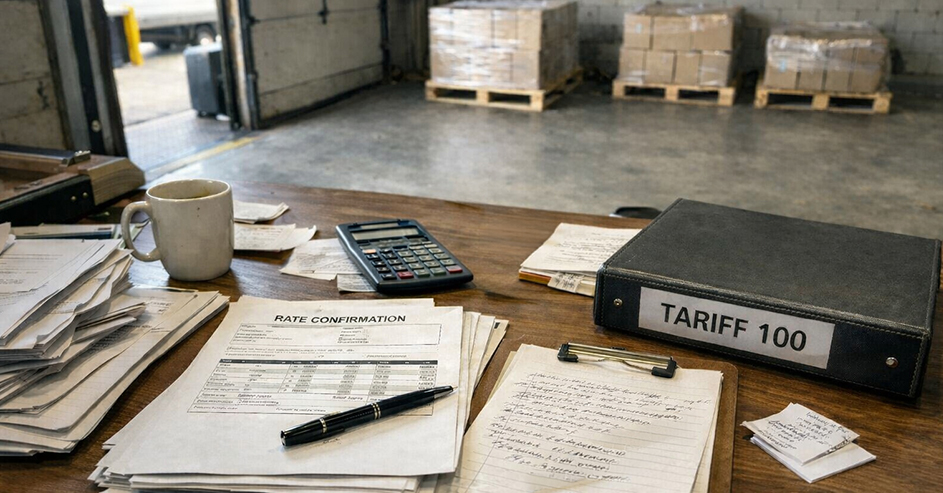
LTLTariff 100 governs how most LTL carriers apply rules, charges, and conditions to shipments. Brokers and agents interact with it every day, often without.

February 4, 2026
LTLOperational Problem Dimensioning errors are a consistent source of LTL cost overruns, rebills, disputes, and margin erosion. As carriers expand automated.

January 28, 2026
LTLAccessorial charges in LTL are often treated as an afterthought until they show up on an invoice. When that happens, the opportunity to control them is.
January 21, 2026
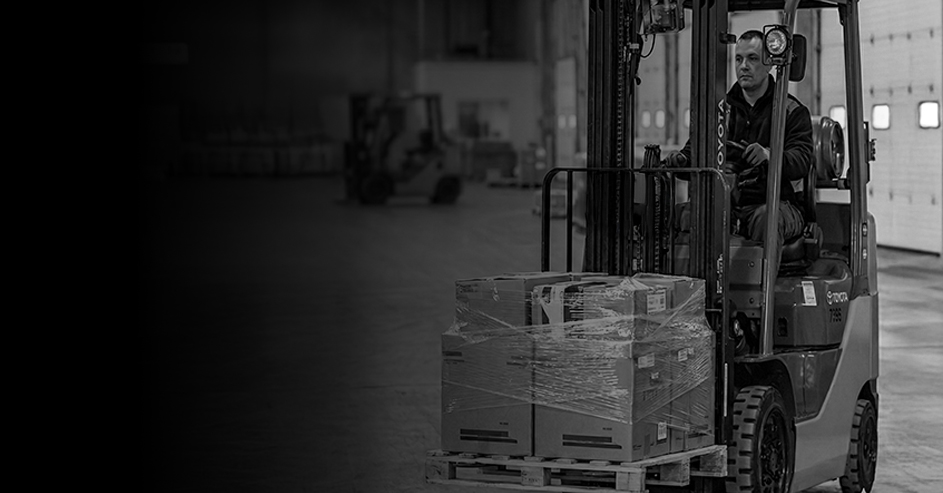
LTLFew issues create more downstream friction than a reweigh after pickup. What often begins as a small weight discrepancy can quickly turn into higher.

January 14, 2026
claimsThe Strategic Importance of A Well-Managed Claims Process At Logistics Dynamics, we understand that freight damage or loss impacts far more than inventory.