
Shippers: Which Carrier Type Fits Your Needs Best?
April 29, 2026
ShippersThe freight market has tightened over the past few years. Margins are thinner, service expectations are higher, and brokers are placing more value on.

March 03, 2026 | Written by Darrell Porter | Freight Agent
Coverage gaps rarely come down to rate alone. Carriers decide quickly which brokers they want to work with again. That decision is shaped by how the load is handled from the first call through delivery. When details are incomplete, communication is inconsistent, or expectations shift mid-load, carriers adjust how they engage. They may hesitate on future loads, build in extra cost, or stop taking freight. Over time, that affects coverage, consistency, and margin.
Three areas consistently define that experience.
Carriers expect the information provided upfront to match what they encounter on the load. Gaps or inconsistencies force them to make assumptions or absorb risk they did not account for.
Accurate pickup and delivery windows are foundational. Full addresses and facility names reduce confusion at arrival. Once the carrier is verified by compliance, actual commodity descriptions should be listed in the rate con or BOL, not just a generic FAK. Weight needs to be accurate, especially on LTL or partial shipments where reweighs create downstream issues. Equipment requirements should be clear at the time of booking.
Accessorials are a common source of friction. Appointment requirements, detention policies, liftgate needs, and driver assist expectations need to be defined before the load is covered. When those details surface later, it creates rework, delays, and cost disputes.
Clear, complete load details allow carriers to price correctly, plan effectively, and execute without unnecessary adjustments.
Carriers rely on timely and predictable communication at key points in the load. The booking process sets expectations. Rate confirmations should match what was discussed and be sent promptly. Contact information needs to be accurate so drivers can reach the right person at pickup or delivery.
During transit, responsiveness becomes critical. When a carrier reaches out with a question or issue, delays create operational risk. Drivers may be waiting at a facility or approaching an appointment without clear direction. A quick response with a defined next step keeps the load moving and prevents escalation.
After delivery, communication still matters. Clear instructions for paperwork, timely responses on accessorials, and consistent follow-through all contribute to how the load is evaluated after the fact.
Reliable communication reduces uncertainty and keeps both sides aligned throughout the load.
Unexpected changes create disruption. Adjustments to appointment times, added stops, or differences in how freight must be handled all affect routing, scheduling, and equipment planning.
These situations add cost and complexity, even when resolved quickly. Carriers track which brokers provide predictable freight and which ones require frequent adjustments. That distinction influences how they prioritize loads, especially when capacity tightens.
Changes do happen. Early communication and clear expectations around those changes allow adjustments without unnecessary friction. Consistency in how loads are presented and managed leads to more reliable coverage over time.
April 29, 2026
ShippersThe freight market has tightened over the past few years. Margins are thinner, service expectations are higher, and brokers are placing more value on.
March 18, 2026
Fuel CostFuel Changes Are Driving LTL Cost Increases Fuel is never a fixed number in trucking, and it is one of the few costs that can move after a rate is already.
March 12, 2026
Fuel CostFuel Prices and Transportation Costs Recent spikes in global oil prices have pushed diesel costs higher, putting renewed pressure on traditional.

March 10, 2026
TechnologyIntroduction Telematics in trucking is the new standard as carriers look to improve efficiency, safety, and regulatory compliance. These systems typically.

March 4, 2026
LTLThe less-than-truckload sector is a complex, precision-driven segment of freight transportation. It demands efficiency in scheduling, consistency in.
February 25, 2026
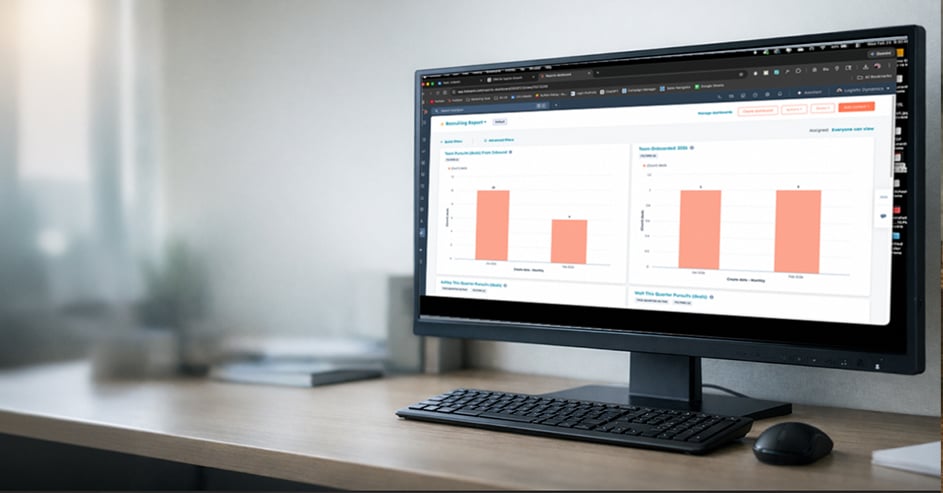
TechnologyIf you’re serious about expanding your customer base through cold calls, emails, and consistent outreach, you can’t rely on memory and sticky notes. The.

February 17, 2026
LTLTariff 100 governs how most LTL carriers apply rules, charges, and conditions to shipments. Brokers and agents interact with it every day, often without.

February 4, 2026
LTLOperational Problem Dimensioning errors are a consistent source of LTL cost overruns, rebills, disputes, and margin erosion. As carriers expand automated.

January 28, 2026
LTLAccessorial charges in LTL are often treated as an afterthought until they show up on an invoice. When that happens, the opportunity to control them is.

January 21, 2026
LTLFew issues create more downstream friction than a reweigh after pickup. What often begins as a small weight discrepancy can quickly turn into higher.

January 14, 2026
claimsThe Strategic Importance of A Well-Managed Claims Process At Logistics Dynamics, we understand that freight damage or loss impacts far more than inventory.

January 7, 2026
LTLLess-than-truckload (LTL) shipping is a practical solution for businesses that move freight without needing an entire trailer. Instead of paying for.

December 23, 2025
Logistics IndustryEvery December, the industry takes part in the most unforgiving logistics operation of the year. There’s no flexibility, no partial successes, and no.
December 10, 2025
LTLFor many businesses, not every shipment fills a trailer, and not every order justifies the cost of moving a full truckload. That gap is exactly where Less.
November 24, 2025
ShippersAt the core, the goal is always clear: your freight needs to stay above freezing. The path to achieving that requires planning, communication, and.
October 22, 2025
Logistics IndustryIf you thought October was just the calm before the holiday storm, think again. This year, it's one of the busiest and most volatile shipping months we've.
September 3, 2025
Freight AgentEvery freight agent has their own definition of success. Some see growth as the ultimate goal. They want to expand their book, add new lanes, hire support.
August 6, 2025
Logistics IndustryEvery agent knows freight doesn’t always go as planned. Trucks break down, pickups get missed, and delays stack up faster than updates from the driver..
July 24, 2025
IntermodalUnion Pacific and Norfolk Southern, two of the largest Class I railroads in North America, are currently exploring a potential merger that could reshape.