<img height="1" width="1" style="display:none;" alt="" src="https://px.ads.linkedin.com/collect/?pid=7607682&amp;fmt=gif">

Blog.

High Fuel Costs. Have You Considered Intermodal?

March 03, 2026 | Written by Walt Zehler | Fuel Cost
High Fuel Costs. Have You Considered Intermodal?
Fuel Prices and Transportation Costs

Recent spikes in global oil prices have pushed diesel costs higher, putting renewed pressure on traditional over-the-road trucking. When energy markets tighten, diesel prices tend to follow quickly, and trucking is usually the first part of the supply chain to feel the impact. For shippers and brokers who rely heavily on over-the-road capacity, rising fuel costs can quickly translate into higher spot rates, tighter margins, and increased uncertainty.

When fuel prices become unpredictable, transportation strategies that reduce exposure to diesel costs start to matter more. One option that often moves back into the conversation is intermodal shipping.

The Role of Intermodal Shipping

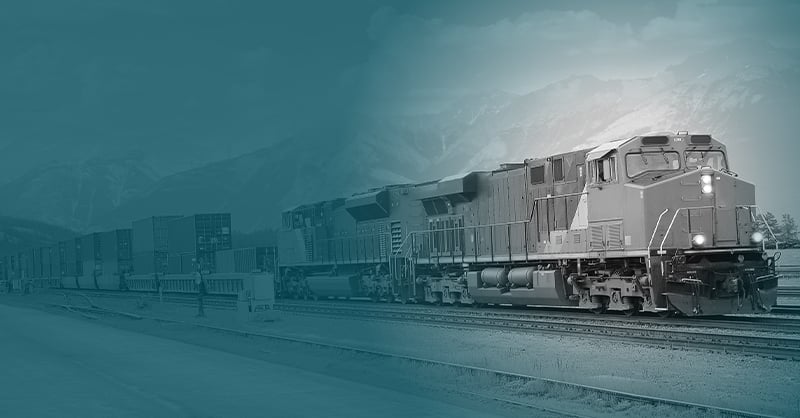
Intermodal shipping pairs rail for the long haul with trucks for pickup and final delivery. The model has existed for decades, but it becomes especially relevant when fuel prices begin climbing and transportation teams start looking for ways to reduce exposure to diesel costs.

Rail offers a major advantage in fuel efficiency. According to the Association of American Railroads, trains can move a ton of freight nearly 500 miles on a single gallon of fuel, roughly four times more efficient than trucking alone. That efficiency helps stabilize transportation costs when diesel prices fluctuate. For shippers moving freight across longer distances, intermodal can reduce exposure to fuel surcharges while maintaining predictable transit schedules.

When Truck Capacity Tightens

Fuel costs are not the only pressure point that emerges when energy markets tighten. Higher diesel prices often affect driver availability and truck capacity. When operating costs increase, some carriers pull equipment off the road or raise rates to maintain margins. This can create sudden shifts in the spot market and make capacity harder to secure.

Intermodal can provide a useful buffer in these conditions. Rail networks operate on scheduled lanes with established capacity, allowing freight to continue moving even when truckload markets become volatile. Instead of competing in short-term rate spikes, shippers can leverage existing rail infrastructure to maintain consistent service.

Intermodal for Brokers and Shippers

For brokers and logistics teams, this creates an opportunity. Rather than viewing intermodal as a niche option, it can be used as part of a broader transportation strategy. Long-haul freight that might normally move entirely by truck can shift to rail for the majority of the journey, helping reduce costs while maintaining service reliability.

Technology has also made intermodal easier to manage than in the past. Modern transportation management systems provide visibility across rail and truck segments, allowing brokers to track shipments and coordinate handoffs in real time. This level of transparency helps ensure that intermodal freight moves with the same level of control and communication expected from traditional truckload shipments.

Logistic Dynamics with Intermodal Services

At Logistic Dynamics, intermodal is approached as part of a complete freight solution. LDi maintains IMC compliance and works directly with major Class I rail providers, allowing the company to offer ramp-to-ramp and door-to-door intermodal service rather than simply reselling capacity. By combining rail access with truckload expertise and integrated technology, shipments can move seamlessly between transportation modes while remaining under a single logistics partner.

For shippers, this approach simplifies what can otherwise be a complicated process. Instead of managing multiple providers and invoices, the entire move is coordinated through one brokerage relationship. The result is a streamlined solution that protects transportation budgets while maintaining service reliability.

Building a Stronger Intermodal Strategy

Energy markets move in cycles, and transportation strategies need to adapt when they do. When fuel prices rise, intermodal offers a practical way to stabilize costs, maintain capacity, and keep freight moving efficiently across long distances. For companies looking to strengthen their logistics strategy during periods of fuel volatility, integrating intermodal into the mix can provide both resilience and long-term cost control.


Latest contents

Why Carriers Prioritize Certain Brokers Over Others

Coverage gaps rarely come down to rate alone. Carriers decide quickly which brokers they want to work with again. That decision is shaped by how the load.

How Fuel Surcharges Impact LTL Shipping Cost.

March 18, 2026

Carriers, Fuel Cost

Fuel Changes Are Driving LTL Cost Increases Fuel is never a fixed number in trucking, and it is one of the few costs that can move after a rate is already.

Telematics in Trucking: The Driver Perspective

March 10, 2026

Telematics, Technology

Introduction Telematics in trucking is the new standard as carriers look to improve efficiency, safety, and regulatory compliance. These systems typically.
Women Powering LTL Performance and Growth

March 4, 2026

LTL

The less-than-truckload sector is a complex, precision-driven segment of freight transportation. It demands efficiency in scheduling, consistency in.
5 Reasons Agents Need A CRM to Grow

February 25, 2026

CRM, Technology

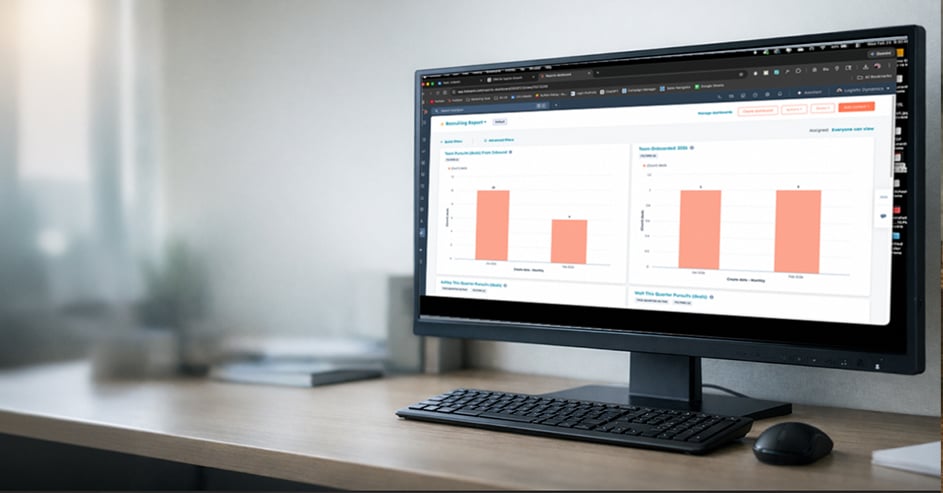
If you’re serious about expanding your customer base through cold calls, emails, and consistent outreach, you can’t rely on memory and sticky notes. The.
Understanding and Interpreting Tariff 100

February 17, 2026

LTL

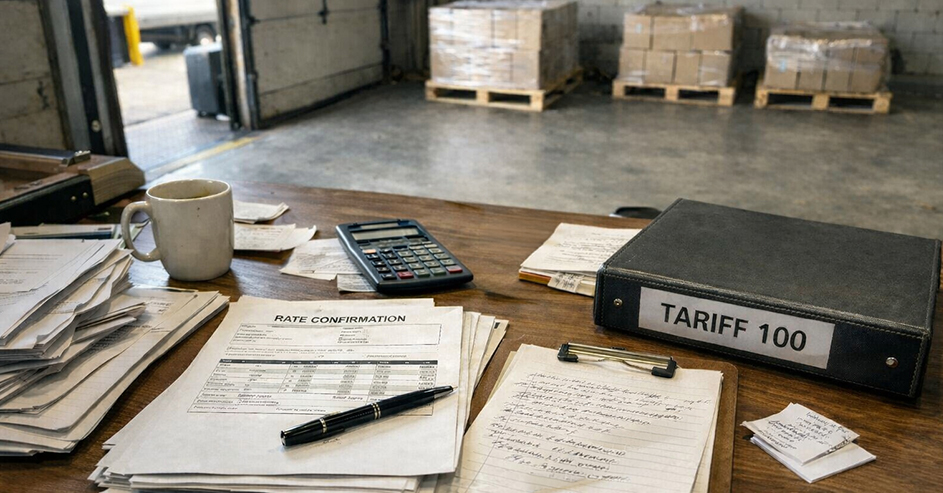
Tariff 100 governs how most LTL carriers apply rules, charges, and conditions to shipments. Brokers and agents interact with it every day, often without.

LTL: Long Freight, Measurements, & Margins

February 4, 2026

LTL

Operational Problem Dimensioning errors are a consistent source of LTL cost overruns, rebills, disputes, and margin erosion. As carriers expand automated.

Shipper's Hidden Costs: Accessorials in LTL

January 28, 2026

LTL

Accessorial charges in LTL are often treated as an afterthought until they show up on an invoice. When that happens, the opportunity to control them is.
Why Weigh Your LTL Freight Before Shipping

January 21, 2026

LTL

Few issues create more downstream friction than a reweigh after pickup. What often begins as a small weight discrepancy can quickly turn into higher.

Importance of A Well-Managed Claims Process
Importance of A Well-Managed Claims Process

January 14, 2026

LTL, claims

The Strategic Importance of A Well-Managed Claims Process At Logistics Dynamics, we understand that freight damage or loss impacts far more than inventory.
LTL Shipping: Costs, Timing, Tradeoffs

January 7, 2026

LTL

Less-than-truckload (LTL) shipping is a practical solution for businesses that move freight without needing an entire trailer. Instead of paying for.

Operation Santa Claus: A Logistics Story

December 23, 2025

Logistics Industry

Every December, the industry takes part in the most unforgiving logistics operation of the year. There’s no flexibility, no partial successes, and no.

The Advantages of Less-than-Truckload Shipping

December 10, 2025

LTL

For many businesses, not every shipment fills a trailer, and not every order justifies the cost of moving a full truckload. That gap is exactly where Less.

Freeze Protection: What Shippers Need to Know

November 24, 2025

Shippers

At the core, the goal is always clear: your freight needs to stay above freezing. The path to achieving that requires planning, communication, and.

Peak Season Is Here. Are You Operationally Ready?

October 22, 2025

Logistics Industry

If you thought October was just the calm before the holiday storm, think again. This year, it's one of the busiest and most volatile shipping months we've.

What's Your Agent Career Path? Do You know?

September 3, 2025

Freight Agent

Every freight agent has their own definition of success. Some see growth as the ultimate goal. They want to expand their book, add new lanes, hire support.

When Freight Promises Go Wrong Fast

August 6, 2025

Logistics Industry

Every agent knows freight doesn’t always go as planned. Trucks break down, pickups get missed, and delays stack up faster than updates from the driver..

What We Know About the Potential Rail Merger

July 24, 2025

Intermodal

Union Pacific and Norfolk Southern, two of the largest Class I railroads in North America, are currently exploring a potential merger that could reshape.

Great. Another AI Logistics Article in Your Feed

July 17, 2025

Logistics Industry

When your day’s packed with quotes, covering loads, and nonstop calls, another article about AI probably isn’t all that exciting. Especially if it sounds.