
So You Want to be A Freight Broker
If you’re interested in becoming a freight broker, one of the first things to understand is that there are different ways to build a career in the.



September 02, 2026 | Written by Patrick Brenda | Shippers LTL
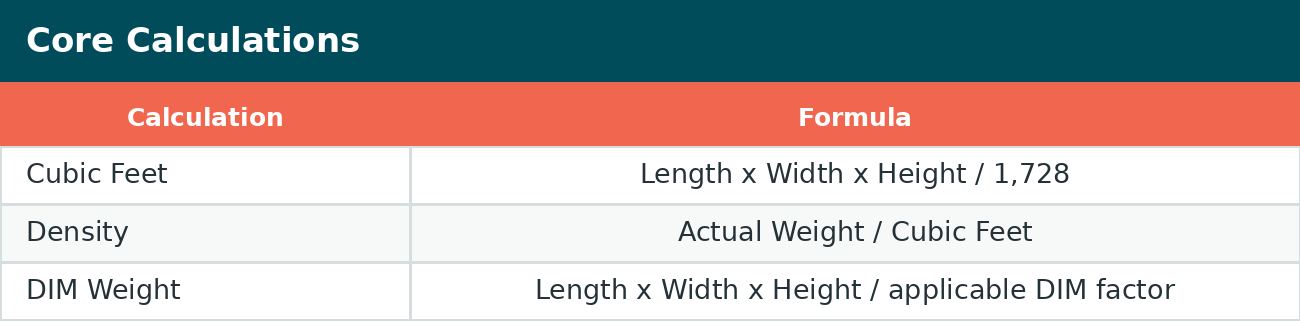
Accurate weight and dimensions are critical when quoting and rating LTL freight. Shipment dimensions determine cubic volume, and cubic volume is used with actual shipment weight to calculate density in pounds per cubic foot (PCF). When the applicable NMFC item is density based, inaccurate weight or measurements can move a shipment across a density break and potentially change its freight class.
For LDi agents, use the freight exactly as it will be tendered to the carrier: actual gross weight and the greatest outside dimensions, including the pallet, packaging, shrink wrap, protrusions, and any other materials or projections that affect the shipment.
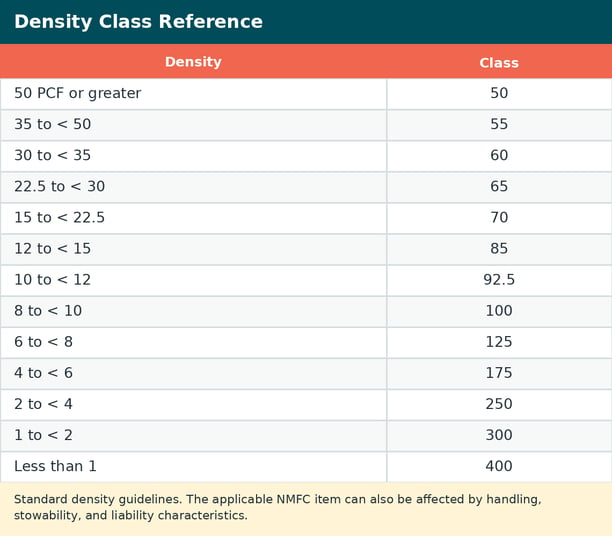
Use the density result to identify the applicable density range. The applicable freight class can also be affected by handling, stowability, and liability characteristics.
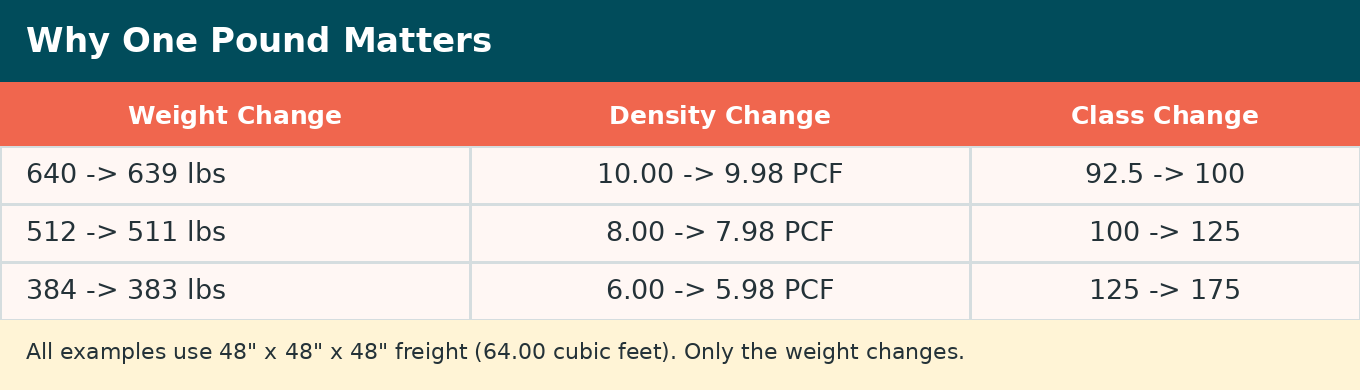
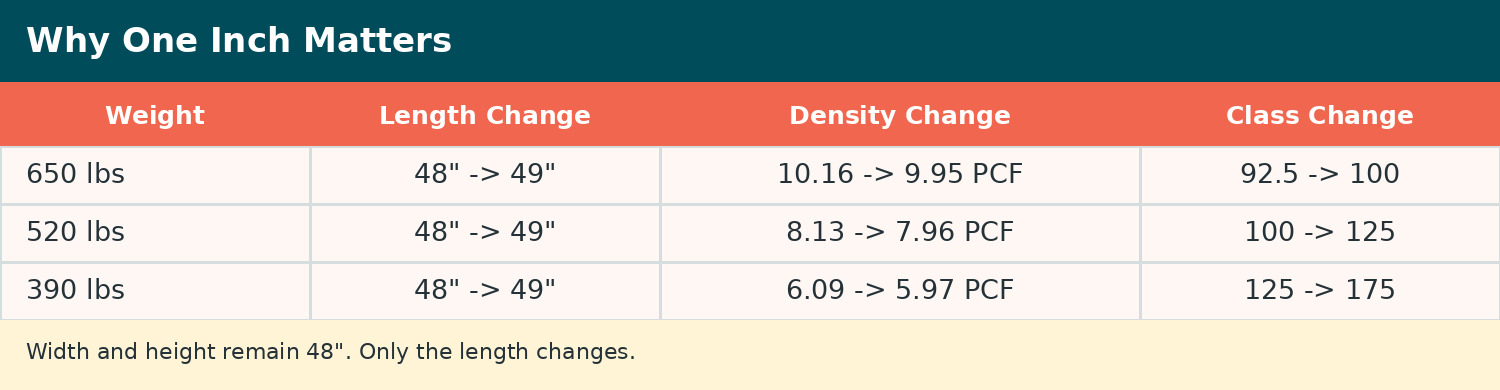
A one-pound difference will not always change the class. It matters when the shipment is close enough to a density threshold that the change crosses the applicable break. The examples below all use a 48" x 48" x 48" shipment, or 64 cubic feet.
The dimensions and commodity do not change in these examples. Only the actual weight changes. That is why agents should not estimate, round down, or rely on an old shipment weight when the freight is near a density break.
The same principle applies to dimensions. Cubic volume increases as a shipment gets larger, which lowers density when weight stays the same. In the examples below, width and height remain 48 inches while length changes from 48 to 49 inches.
An additional inch does not automatically cause another class change. The class changes only when the new density crosses an applicable classification break.
If the actual measurement is 49.5 inches, do not enter 48 inches simply because the freight is generally considered a "48-inch pallet."
In this example, entering only the 500-pound product weight would understate the actual shipment weight by 70 pounds.
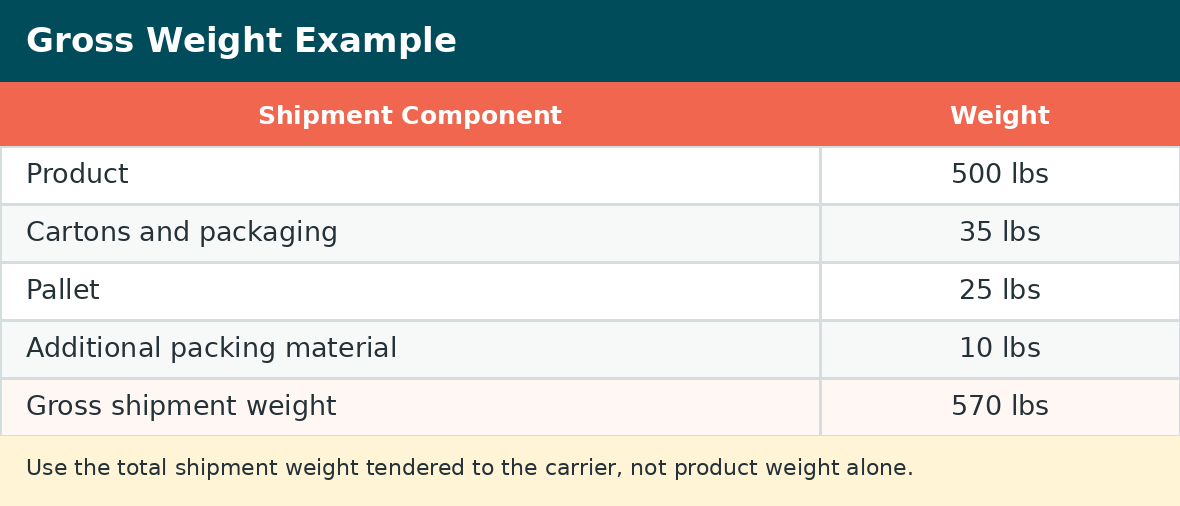
Actual weight is the physical gross weight of the shipment. Density uses actual weight and cubic feet. DIM weight is a separate calculation that may be used by carriers and rating systems to account for transportation capacity occupied by freight.
Accurate weight and dimensions affect both rating and classification. They should not be adjusted to obtain a lower class or rate.
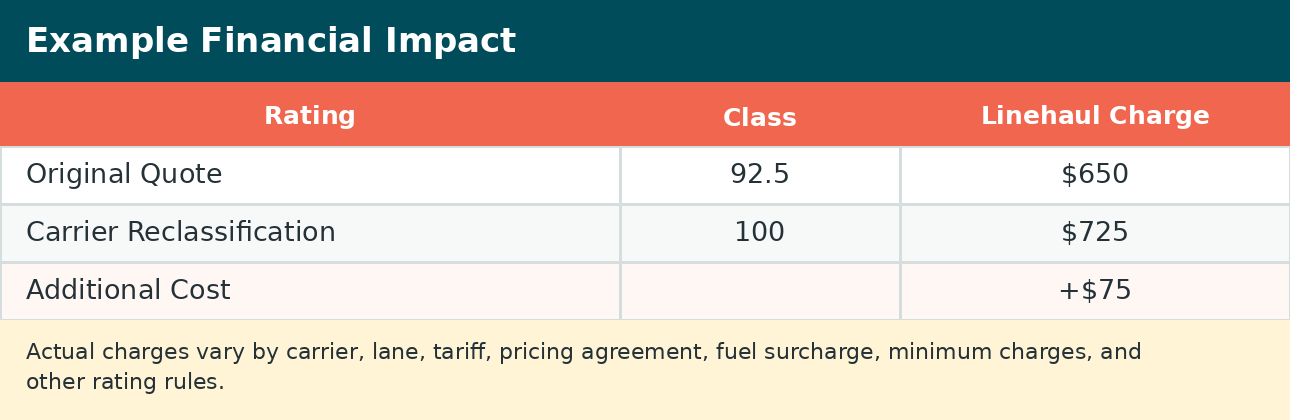
Carriers may weigh or measure freight during transportation. If the carrier's measurements differ from those used to quote or tender the shipment, the shipment may be reweighed, remeasured, reclassified, or rerated.
Inaccurate shipment information can contribute to additional freight charges, customer rebills, margin loss, invoice disputes, rating discrepancies, and incorrect customer quotes.
Before quoting or tendering an LTL shipment, verify the actual gross weight and outside dimensions of the freight exactly as it will be picked up.
Never assume that one pound or one inch does not matter. A small difference can place otherwise identical freight on opposite sides of a density break.
The objective is not to enter weight or dimensions that produce the lowest possible class. The objective is to accurately represent the freight so it can be properly quoted, rated, and tendered.
When in doubt: weigh it, measure it, and don't guess it.

April 29, 2026
ShippersThe freight market has tightened over the past few years. Margins are thinner, service expectations are higher, and brokers are placing more value on.

March 25, 2026
Freight BrokerCoverage gaps rarely come down to rate alone. Carriers decide quickly which brokers they want to work with again. That decision is shaped by how the load.

March 18, 2026
Fuel CostFuel Changes Are Driving LTL Cost Increases Fuel is never a fixed number in trucking, and it is one of the few costs that can move after a rate is already.
March 12, 2026
Fuel CostFuel Prices and Transportation Costs Recent spikes in global oil prices have pushed diesel costs higher, putting renewed pressure on traditional.

March 10, 2026
TechnologyIntroduction Telematics in trucking is the new standard as carriers look to improve efficiency, safety, and regulatory compliance. These systems typically.
March 4, 2026
LTLThe less-than-truckload sector is a complex, precision-driven segment of freight transportation. It demands efficiency in scheduling, consistency in.
February 25, 2026
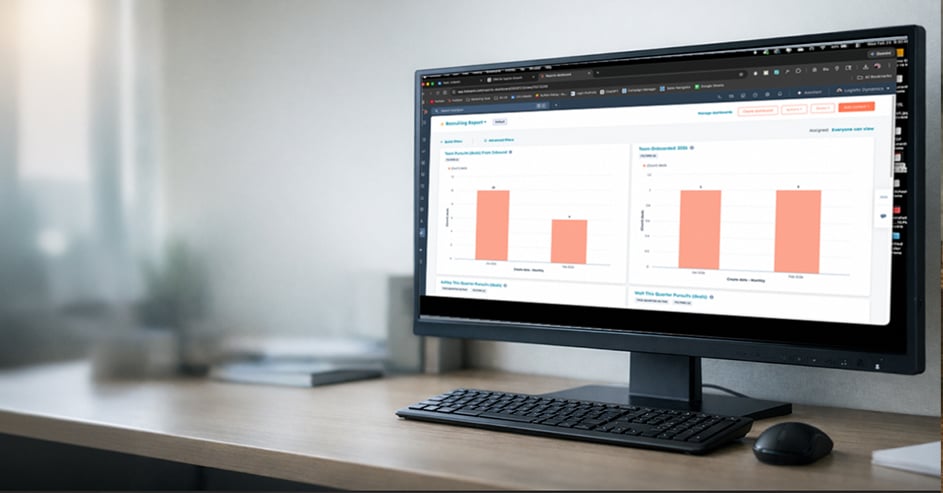
TechnologyIf you’re serious about expanding your customer base through cold calls, emails, and consistent outreach, you can’t rely on memory and sticky notes. The.
February 17, 2026
LTLTariff 100 governs how most LTL carriers apply rules, charges, and conditions to shipments. Brokers and agents interact with it every day, often without.

February 4, 2026
LTLOperational Problem Dimensioning errors are a consistent source of LTL cost overruns, rebills, disputes, and margin erosion. As carriers expand automated.

January 28, 2026
LTLAccessorial charges in LTL are often treated as an afterthought until they show up on an invoice. When that happens, the opportunity to control them is.
January 21, 2026
LTLFew issues create more downstream friction than a reweigh after pickup. What often begins as a small weight discrepancy can quickly turn into higher.

January 14, 2026
claimsThe Strategic Importance of A Well-Managed Claims Process At Logistics Dynamics, we understand that freight damage or loss impacts far more than inventory.

January 7, 2026
LTLLess-than-truckload (LTL) shipping is a practical solution for businesses that move freight without needing an entire trailer. Instead of paying for.

December 23, 2025
Logistics IndustryEvery December, the industry takes part in the most unforgiving logistics operation of the year. There’s no flexibility, no partial successes, and no.

December 10, 2025
LTLFor many businesses, not every shipment fills a trailer, and not every order justifies the cost of moving a full truckload. That gap is exactly where Less.