The Habits That Keep Freight Moving
Anyone who has worked in transportation long enough develops routines. Many of those routines exist for a good reason because they help shipments move.
August 05, 2026 | Written by Patrick Brenda | Shippers LTL

Less Than Truckload gives shippers an efficient way to control transportation costs while maintaining the flexibility to serve a wide range of customers and shipping needs. Getting the most from LTL depends on having the right combination of technology, carrier access and knowledgeable transportation support behind each shipment.
For shippers looking to strengthen their LTL operation, four areas can make a meaningful difference.
Small, informed decisions made repeatedly across an LTL operation can add up to meaningful transportation savings. With every shipment, shippers have an opportunity to evaluate competitive carrier rates, transit times and service options and choose the combination that delivers the best value.
Carrier pricing and service strengths can change considerably from one shipment to the next based on lane, freight characteristics, capacity, accessorials and other requirements. Access to a range of options gives shippers the flexibility to find value based on the specific needs of each shipment rather than relying on a limited set of choices.
Built using feedback from the shipping and brokerage community, LDi’s custom TMS and LTL portal put those options at a shipper’s fingertips. Rates, transit times and service options can be compared in one place, making it easier to identify the right combination of cost and service for each shipment.
Having access to a broad network of LTL carriers provides the flexibility to select the best option for each shipment. No single carrier is the right fit for every move. Carrier strengths vary by geography, shipping lane, transit time, service capabilities, pricing and freight type.
Understanding those strengths is just as important as having access to the carriers themselves. By evaluating multiple carrier options, shippers can match each shipment with a carrier suited to its specific requirements, helping improve service, expand available capacity, manage costs and provide alternatives when market conditions or carrier availability change.
LDi provides access to more than 40 LTL carriers, including major national networks, regional and international options, and specialized services. Collectively, those carriers provide access to extensive transportation networks with carrier-operated fleets, terminals and service points spanning North America, with service options extending to parts of Mexico, Puerto Rico, the U.S. Virgin Islands and Hawaii.
For shippers, that scale means more options across lanes, pricing, service levels and specialized requirements without having to establish and manage dozens of individual carrier relationships. When those options are accessible through a single platform, finding the right fit for each shipment becomes much more manageable.
As LTL volume grows, so does the amount of information a shipper needs to manage. Quotes, carrier selection, shipment details, documentation, pickup and delivery information, and shipment status can quickly become difficult to manage when they are spread across different carrier systems.
The importance of having the right technology in place becomes clear. Beyond comparing rates and service options, LDi’s proprietary TMS and LTL portal bring booking, tracing, documentation and shipment visibility into the same platform, giving shippers a more streamlined way to manage their LTL operation. API and EDI capabilities can further integrate transportation information with a shipper’s existing systems.
That becomes especially valuable once freight is moving. Current shipment information helps teams stay ahead of pickups and deliveries, identify exceptions and claims, and provide customers with timely updates when questions arise. With critical shipment information available in one place, less time is spent tracking down answers and more time can be focused on keeping freight moving.
For many companies, winning new business also creates new transportation requirements. A new customer may introduce shipping lanes outside an established network, different order quantities or delivery requirements the shipper hasn’t encountered before.
Having flexible LTL resources in place makes it easier to respond to those changes. Broad carrier access, competitive pricing, specialized services and knowledgeable support give shippers more options for finding transportation solutions that meet the needs of new customers.
With those resources already available, companies can focus on pursuing opportunities in new markets and serving customers with different shipping requirements without having to build new transportation capabilities on their own.
Technology, carrier access and transportation support all play a role in getting more from an LTL operation. Together, they give shippers the ability to make better-informed transportation decisions, respond to changing requirements and manage freight more efficiently.
These are the resources LDi brings together for its customers. With an easy-to-use TMS and LTL portal, access to more than 40 carriers and an experienced team behind every shipment, shippers have the tools and support to handle both everyday LTL needs and new opportunities.
Ready to take a closer look at your LTL strategy? Talk with the LDi team about what we can do for your operation.
April 29, 2026
ShippersThe freight market has tightened over the past few years. Margins are thinner, service expectations are higher, and brokers are placing more value on.

March 25, 2026
Freight BrokerCoverage gaps rarely come down to rate alone. Carriers decide quickly which brokers they want to work with again. That decision is shaped by how the load.

March 18, 2026
Fuel CostFuel Changes Are Driving LTL Cost Increases Fuel is never a fixed number in trucking, and it is one of the few costs that can move after a rate is already.
March 12, 2026
Fuel CostFuel Prices and Transportation Costs Recent spikes in global oil prices have pushed diesel costs higher, putting renewed pressure on traditional.

March 10, 2026
TechnologyIntroduction Telematics in trucking is the new standard as carriers look to improve efficiency, safety, and regulatory compliance. These systems typically.

March 4, 2026
LTLThe less-than-truckload sector is a complex, precision-driven segment of freight transportation. It demands efficiency in scheduling, consistency in.
February 25, 2026
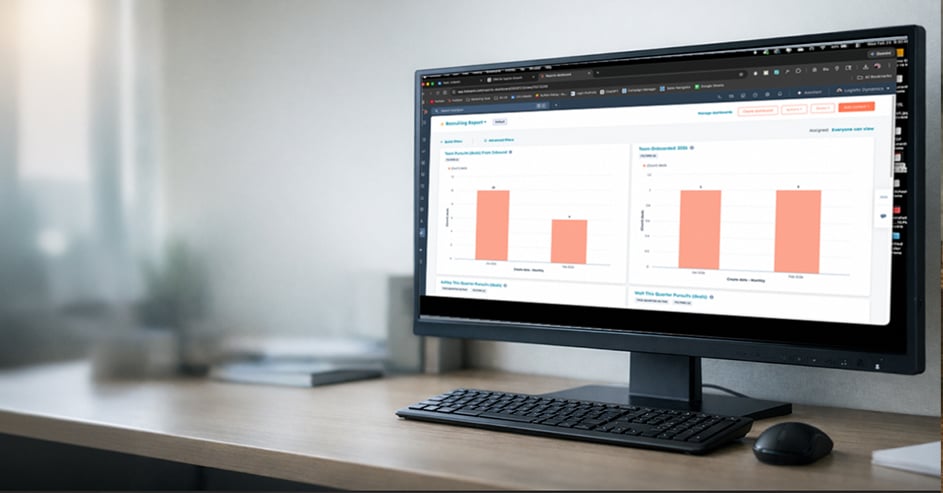
TechnologyIf you’re serious about expanding your customer base through cold calls, emails, and consistent outreach, you can’t rely on memory and sticky notes. The.
February 17, 2026
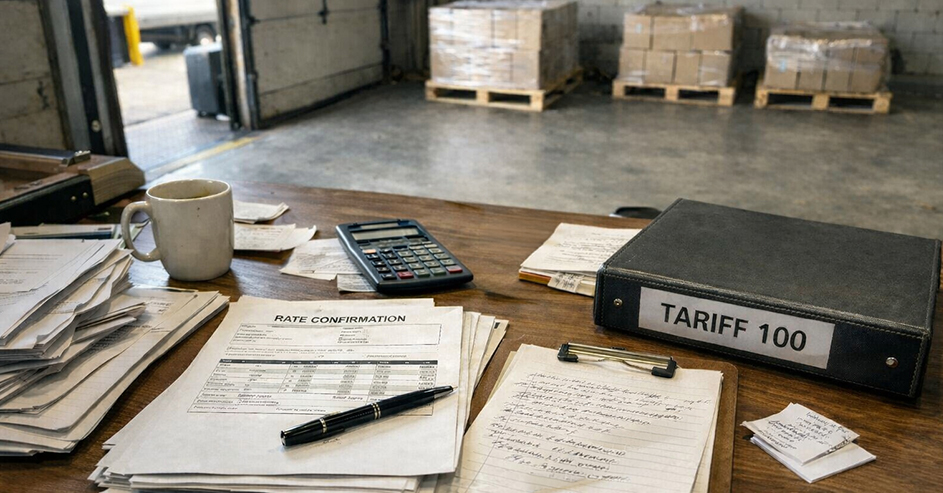
LTLTariff 100 governs how most LTL carriers apply rules, charges, and conditions to shipments. Brokers and agents interact with it every day, often without.

February 4, 2026
LTLOperational Problem Dimensioning errors are a consistent source of LTL cost overruns, rebills, disputes, and margin erosion. As carriers expand automated.

January 28, 2026
LTLAccessorial charges in LTL are often treated as an afterthought until they show up on an invoice. When that happens, the opportunity to control them is.

January 21, 2026
LTLFew issues create more downstream friction than a reweigh after pickup. What often begins as a small weight discrepancy can quickly turn into higher.

January 14, 2026
claimsThe Strategic Importance of A Well-Managed Claims Process At Logistics Dynamics, we understand that freight damage or loss impacts far more than inventory.

January 7, 2026
LTLLess-than-truckload (LTL) shipping is a practical solution for businesses that move freight without needing an entire trailer. Instead of paying for.
December 23, 2025
Logistics IndustryEvery December, the industry takes part in the most unforgiving logistics operation of the year. There’s no flexibility, no partial successes, and no.
December 10, 2025
LTLFor many businesses, not every shipment fills a trailer, and not every order justifies the cost of moving a full truckload. That gap is exactly where Less.
November 24, 2025
ShippersAt the core, the goal is always clear: your freight needs to stay above freezing. The path to achieving that requires planning, communication, and.
October 22, 2025
Logistics IndustryIf you thought October was just the calm before the holiday storm, think again. This year, it's one of the busiest and most volatile shipping months we've.