
The Habits That Keep Freight Moving
Anyone who has worked in transportation long enough develops routines. Many of those routines exist for a good reason because they help shipments move.



March 25, 2026 | Written by Darrell Porter | Freight Broker


April 29, 2026
ShippersThe freight market has tightened over the past few years. Margins are thinner, service expectations are higher, and brokers are placing more value on.

March 18, 2026
Fuel CostFuel Changes Are Driving LTL Cost Increases Fuel is never a fixed number in trucking, and it is one of the few costs that can move after a rate is already.
March 12, 2026
Fuel CostFuel Prices and Transportation Costs Recent spikes in global oil prices have pushed diesel costs higher, putting renewed pressure on traditional.

March 10, 2026
TechnologyIntroduction Telematics in trucking is the new standard as carriers look to improve efficiency, safety, and regulatory compliance. These systems typically.

March 4, 2026
LTLThe less-than-truckload sector is a complex, precision-driven segment of freight transportation. It demands efficiency in scheduling, consistency in.
February 25, 2026
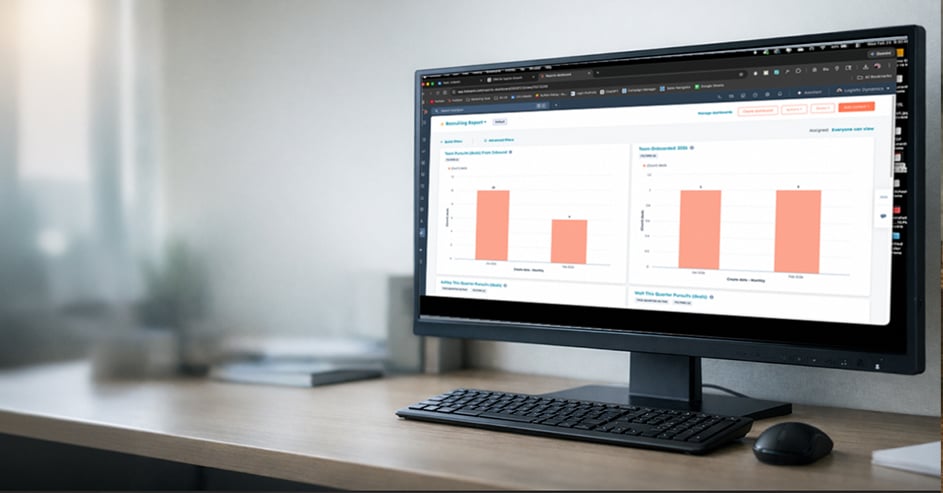
TechnologyIf you’re serious about expanding your customer base through cold calls, emails, and consistent outreach, you can’t rely on memory and sticky notes. The.
February 17, 2026
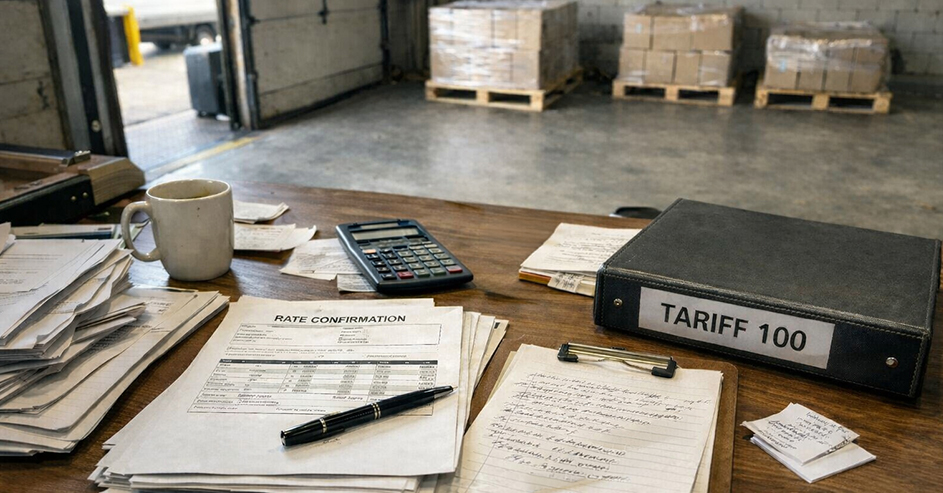
LTLTariff 100 governs how most LTL carriers apply rules, charges, and conditions to shipments. Brokers and agents interact with it every day, often without.

February 4, 2026
LTLOperational Problem Dimensioning errors are a consistent source of LTL cost overruns, rebills, disputes, and margin erosion. As carriers expand automated.

January 28, 2026
LTLAccessorial charges in LTL are often treated as an afterthought until they show up on an invoice. When that happens, the opportunity to control them is.
January 21, 2026
LTLFew issues create more downstream friction than a reweigh after pickup. What often begins as a small weight discrepancy can quickly turn into higher.

January 14, 2026
claimsThe Strategic Importance of A Well-Managed Claims Process At Logistics Dynamics, we understand that freight damage or loss impacts far more than inventory.
January 7, 2026
LTLLess-than-truckload (LTL) shipping is a practical solution for businesses that move freight without needing an entire trailer. Instead of paying for.
December 23, 2025
Logistics IndustryEvery December, the industry takes part in the most unforgiving logistics operation of the year. There’s no flexibility, no partial successes, and no.

December 10, 2025
LTLFor many businesses, not every shipment fills a trailer, and not every order justifies the cost of moving a full truckload. That gap is exactly where Less.

November 24, 2025
ShippersAt the core, the goal is always clear: your freight needs to stay above freezing. The path to achieving that requires planning, communication, and.

October 22, 2025
Logistics IndustryIf you thought October was just the calm before the holiday storm, think again. This year, it's one of the busiest and most volatile shipping months we've.

September 3, 2025
Freight BrokerEvery freight agent has their own definition of success. Some see growth as the ultimate goal. They want to expand their book, add new lanes, hire support.