Why Carriers Prioritize Certain Brokers Over Others
Coverage gaps rarely come down to rate alone. Carriers decide quickly which brokers they want to work with again. That decision is shaped by how the load.
March 03, 2025 | Written by Darrell Porter | Logistics Industry

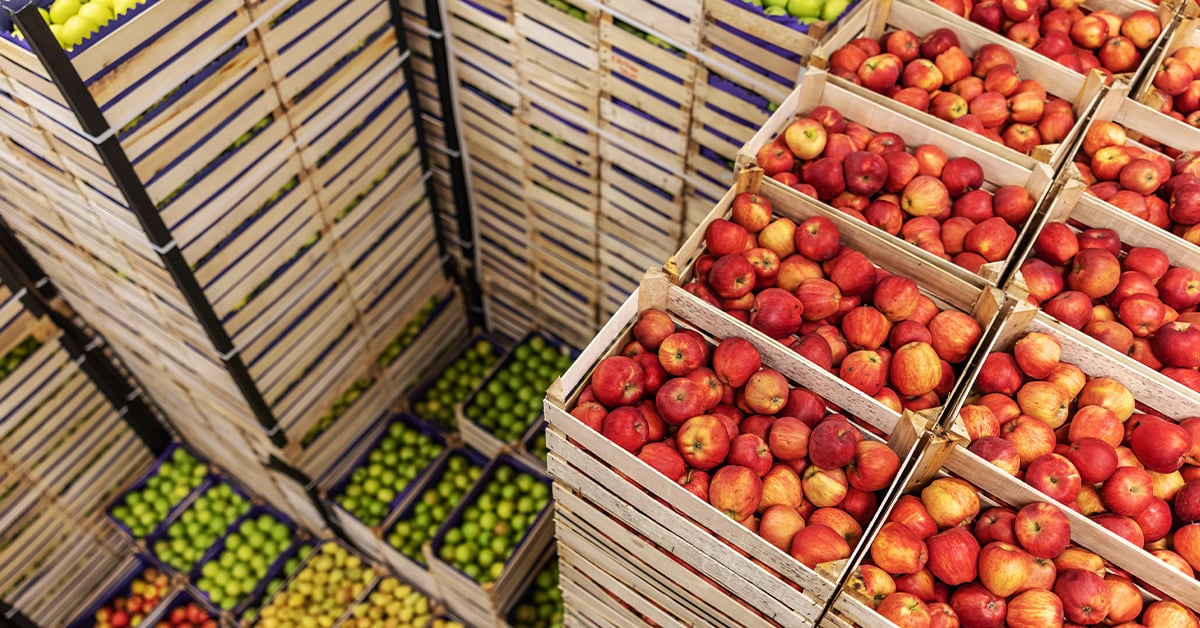
As temperatures rise, the freight market enters one of its busiest times—spring produce season. With fresh fruits and vegetables moving in high volumes, demand for trucks surges, tightening capacity and driving up rates. Whether you're a shipper, carrier, or agent, staying ahead of these market shifts is key.
Spring produce season is driven by harvests across the southern U.S. and Mexico, where warmer climates allow for early-season fruits and vegetables to hit the market. As these regions ramp up production, reefer capacity tightens, especially in major shipping hubs. This shift impacts the entire freight network, influencing rates and availability across the country.
This influx of freight creates higher spot rates, as reefer trucks become harder to secure. Carriers prioritize produce loads, making it challenging for shippers to find capacity. Outbound rates from key agricultural states increase, while inbound rates remain low.
How to Prepare
For shippers, securing capacity early and working with a mix of contract and spot market carriers can help avoid last-minute price spikes. Flexibility with pickup and delivery windows is also crucial.
For carriers, this season presents an opportunity to maximize profits by focusing on reefer lanes. Planning return loads strategically ensures steady revenue while maintaining efficiency.
For agents, staying informed on rate trends and carrier availability is essential. Expanding your network of reefer carriers and preparing shippers for rate fluctuations will help keep operations smooth.
Looking Ahead
As spring transitions into summer, produce shipping will continue to evolve. Harvests shift northward, bringing new challenges and opportunities. Capacity will remain tight, but understanding these seasonal shifts can help you stay ahead of the curve. Stay tuned for our summer produce season update.
March 12, 2026
Fuel CostFuel Prices and Transportation Costs Recent spikes in global oil prices have pushed diesel costs higher, putting renewed pressure on traditional.
March 4, 2026
LTLThe less-than-truckload sector is a complex, precision-driven segment of freight transportation. It demands efficiency in scheduling, consistency in.
February 17, 2026
LTLTariff 100 governs how most LTL carriers apply rules, charges, and conditions to shipments. Brokers and agents interact with it every day, often without.
February 4, 2026
LTLOperational Problem Dimensioning errors are a consistent source of LTL cost overruns, rebills, disputes, and margin erosion. As carriers expand automated.
January 28, 2026
LTLAccessorial charges in LTL are often treated as an afterthought until they show up on an invoice. When that happens, the opportunity to control them is.
January 21, 2026
LTLFew issues create more downstream friction than a reweigh after pickup. What often begins as a small weight discrepancy can quickly turn into higher.